When people think about preventive dental care, they often picture routine cleanings, dental examinations, fluoride treatments, and daily oral hygiene habits. Oral surgery, on the other hand, is frequently associated with corrective or restorative procedures that address existing problems. Because of this distinction, preventive dentistry and oral surgery are often viewed as entirely separate aspects of dental care. In reality, the relationship between the two is much closer than many people realize. Oral surgery can play a significant role in preventing future complications, preserving oral function, and supporting long-term dental health. Rather than serving only as a response to advanced dental issues, many surgical procedures contribute directly to preventive care strategies that help patients avoid more serious problems in the future.
Addressing Problems Before They Escalate
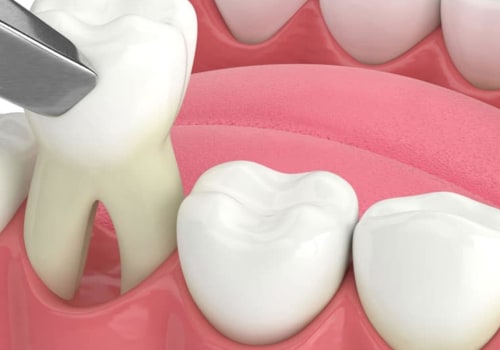
One of the primary goals of preventive healthcare is to identify and address concerns before they become more severe. Oral surgery often supports this objective by treating conditions that could otherwise lead to significant complications if left untreated. For example, impacted teeth may increase the risk of infections, damage neighboring teeth, or contribute to alignment issues. Surgical removal of these teeth can prevent future problems and help preserve overall oral health. Similarly, procedures that address oral pathology, bone loss, or structural abnormalities may prevent the progression of conditions that could eventually require more extensive treatment. In these situations, oral surgery serves as a proactive measure rather than a purely reactive intervention.
Supporting Long-Term Oral Stability
Preventive dentistry focuses on maintaining a stable and healthy oral environment, and oral surgery can contribute significantly to that goal. Procedures involving bone preservation, gum tissue management, and restorative preparation often create conditions that support long-term dental function. When structural issues are corrected early, patients may be better positioned to maintain healthy teeth and gums for years to come. Oral surgeons and general dentists frequently work together to identify situations where surgical intervention can help prevent future deterioration. This collaborative approach ensures that treatment plans consider both immediate concerns and long-term oral health objectives.
Creating a Foundation for Restorative Success
Another often-overlooked connection between oral surgery and preventive care involves restorative treatment planning. Certain surgical procedures are performed to establish a healthy foundation for future dental restorations, helping prevent complications that could arise later. For example, bone grafting, soft tissue procedures, and implant placement may improve stability and function while reducing the risk of future oral health challenges. Patients pursuing advanced restorative solutions such as All on 4 implants often undergo surgical procedures that not only replace missing teeth but also help preserve jawbone health and support long-term oral function. These treatments demonstrate how surgical care can contribute to preventive outcomes by protecting oral structures and reducing the likelihood of future deterioration.
Encouraging Ongoing Dental Maintenance
The relationship between oral surgery and prevention extends beyond the surgical procedure itself. Following treatment, patients are often encouraged to maintain regular dental visits, improve oral hygiene practices, and monitor their oral health more closely. Surgical interventions frequently provide opportunities for patient education and reinforce the importance of preventive care. By helping patients understand how lifestyle choices, maintenance routines, and regular professional evaluations affect treatment outcomes, dental professionals can encourage behaviors that support long-term oral wellness. This ongoing focus on prevention helps maximize the benefits of surgical treatment while reducing the risk of recurring problems.
A Comprehensive Approach to Oral Health
Modern dentistry increasingly recognizes that preventive care and oral surgery are interconnected components of comprehensive oral healthcare. While preventive measures aim to reduce the likelihood of disease and damage, oral surgery often addresses conditions that threaten long-term oral stability before they become more serious. Together, these disciplines support healthier outcomes by combining early intervention, structural preservation, and proactive treatment planning. Understanding this relationship helps patients appreciate that oral surgery is not merely about correcting problems after they occur. In many cases, it serves as an important preventive tool that contributes to lasting oral health, improved function, and greater overall well-being.